
Best Solar Lights For Shaded Areas
Published · Updated · 2 min read

Shaded areas in your garden or yard shouldn’t be left in the dark. Thanks to advancements in solar technology, you can now brighten up even the dimmest corners with solar lights specifically designed for shaded areas. These lights harness the sun’s power to provide reliable illumination, even in areas with limited sunlight exposure. Here are five of the best solar lights for shaded areas on Amazon US, offering a blend of performance, durability, and value.
5 Best Solar Lights For Shaded Areas
1. URPOWER Solar Lights
Ratings: 4.3/5 stars
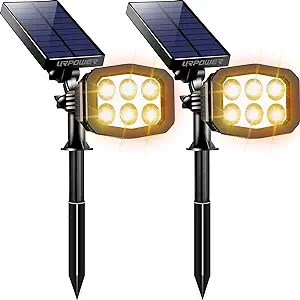
Price: $29.99 for 2
Features:
- Voltage: 3.7 Volts
- Brightness: 200 Lumen
- Product Dimensions: 10.55″L x 4.76″ W x 6.1″H.
- Batteries: 2 Lithium Ion batteries are required.
- Waterproof
Pros & Cons:
| Pros | Cons |
|---|---|
| Motion sensor increases security and saves energy. | May not be as bright as some other options. |
| The weatherproof design ensures longevity. | Limited motion detection range. |
| Easy to install. |
2. NYMPHY Solar Lights Outdoor Waterproof
Ratings: 4.4/5 stars
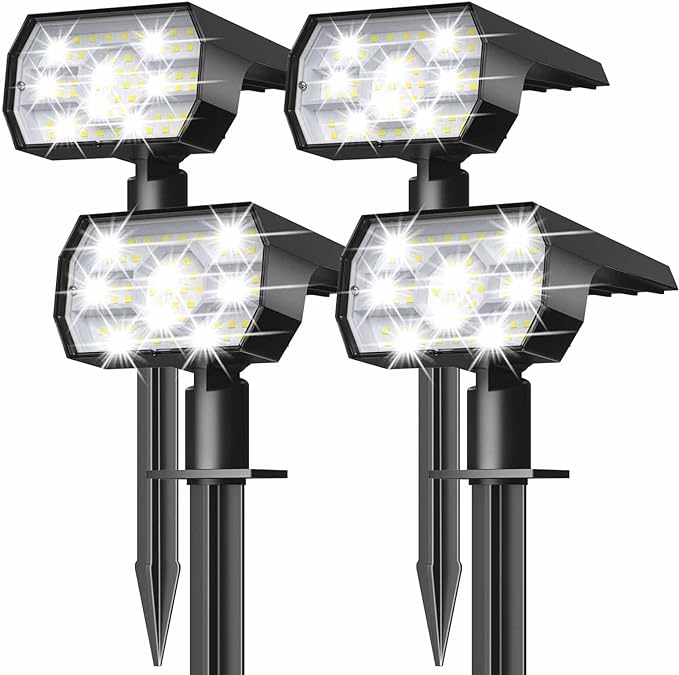
Price: $39.99 for 4
Features:
- Wattage: 2 watts
- Voltage: 6 Volts
- Brightness: 400 Lumen
- Batteries: 1 Lithium Ion batteries required. (included)
- Waterproof
Pros & Cons:
| Pros | Cons |
|---|---|
| – Wide-angle design provides broader coverage. | – Mounting hardware could be sturdier. |
| – Multiple lighting modes offer versatility. | – Some users report shorter-than-expected battery life. |
| – High waterproof rating ensures durability. |
3. BAXIA TECHNOLOGY Solar Lights Outdoor
Ratings: 4.4/5 stars
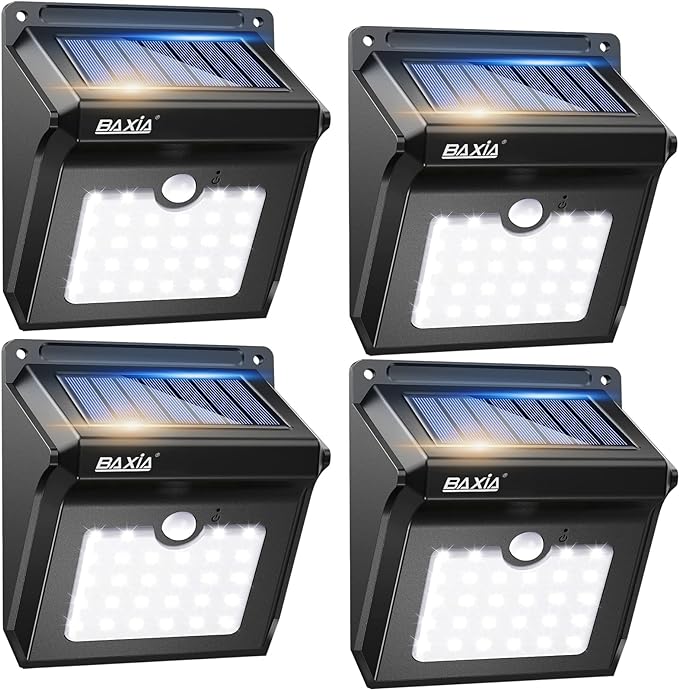
Price: $29.99 for 4
Features:
- Wattage: 1.3 watts
- Brightness: 400 Lumen
- Voltage: 3.7 Volts
- Shade Material: Acrylonitrile Butadiene Styrene
- Waterproof
Pros & Cons:
4. Aootek 182 Led Solar Outdoor Motion Sensor Lights
Ratings: 4.5/5 stars
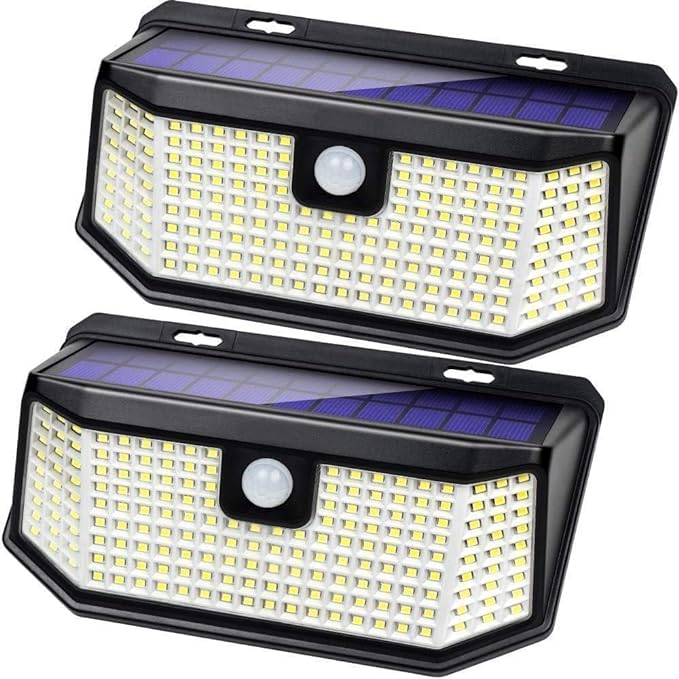
Price: $32.99 for 2
Features:
- Voltage: 3.7 Volts
- Wattage: 3.7 Watt-hours
- Brightness: 2500 Lumen
- Batteries: 1 AA batteries required. (included)
- Waterproof
Pros & Cons:
| Pros | Cons |
|---|---|
| – Extremely bright with wide coverage. | – Mounting bracket may be challenging to adjust. |
| – Multiple lighting modes offer flexibility. | – Some users experienced issues with motion sensor accuracy. |
| – Durable construction for long-lasting performance. |
5. SEZAC Solar Security Lights
Ratings: 4.5/5 stars

Price: $54.29 for 10
Features:
- Voltage: 120 Volts
- Shade Material: Acrylonitrile Butadiene Styrene
- Specific Uses For Product: Garden, Yard, Garage, Driveway, Deck, Fence, Patio
- Product Dimensions: 4″L x 2″W x 4.4″H
- Waterproof
Pros & Cons:
| Pros | Cons |
|---|---|
| Wide-angle lighting provides ample coverage. | Battery life may diminish over time. |
| Easy to install and adjust. | Some users noted issues with the motion sensor’s sensitivity. |
| The weatherproof design ensures reliability. |
Conclusion
Brightening shaded areas around your home has never been easier with these top-rated solar lights from Amazon US. Whether you’re looking for enhanced security, versatile lighting modes, or durable construction, there’s a solar light on this list to suit your needs. Invest in one of these reliable options and enjoy well-lit outdoor spaces, no matter how shaded they may be.


