
Get Free Solar Panels from the Government ( Programs & Incentives )
Published · 9 min read

We’ve got you covered! We will talk about the various government programs and incentives designed to promote solar energy adoption, focusing particularly on opportunities for low-income families and the specific states where these benefits are most accessible.
Can You Get Free Solar Panels From the Government?
Generally speaking, you cannot get free solar panels directly from the federal government. However, there are quite a few state-driven programs that might as well make them seem free! These initiatives are crafted especially for households with lower incomes, offering hefty subsidies or incentives. Their main goal? To slash those hefty initial costs linked to setting up solar panels. By doing so, they open up the possibility of solar energy to many more people. It’s about making sustainable energy accessible to everyone, from every walk of life!
How to Reduce the Cost of Solar
The cost of solar installation can be mitigated through various programs beyond direct subsidies. Understanding these options can help maximize savings:
| Incentive Type | Description | Availability |
| Tax Credits | Federal and possibly state tax credits that return a portion of your solar costs. | Varies by state |
| Tax Exemptions | Sales and property tax exemptions for solar installations. | Ongoing |
| Rebates | Direct cash incentives offered by government or utilities. | At installation |
| SRECs | Earn certificates for solar energy generation which can be sold. | As earned |
What are Federal Solar tax Credits?
The Federal Solar Tax Credit offers a substantial financial benefit for taxpayers installing solar systems. This credit enables taxpayers to deduct 30% of the cost of installing solar panels from their taxes owed, applicable for systems acquired from 2022 to 2032. The credit rate will decrease to 26% in 2033 and further to 22% in 2034, with the incentive set to expire at the end of 2035. For instance, with a $20,000 investment in solar panels, taxpayers can utilize this credit to save $6,000, effectively reducing the total cost to $14,000. This provision encourages the adoption of renewable energy by making solar installations more economically feasible.
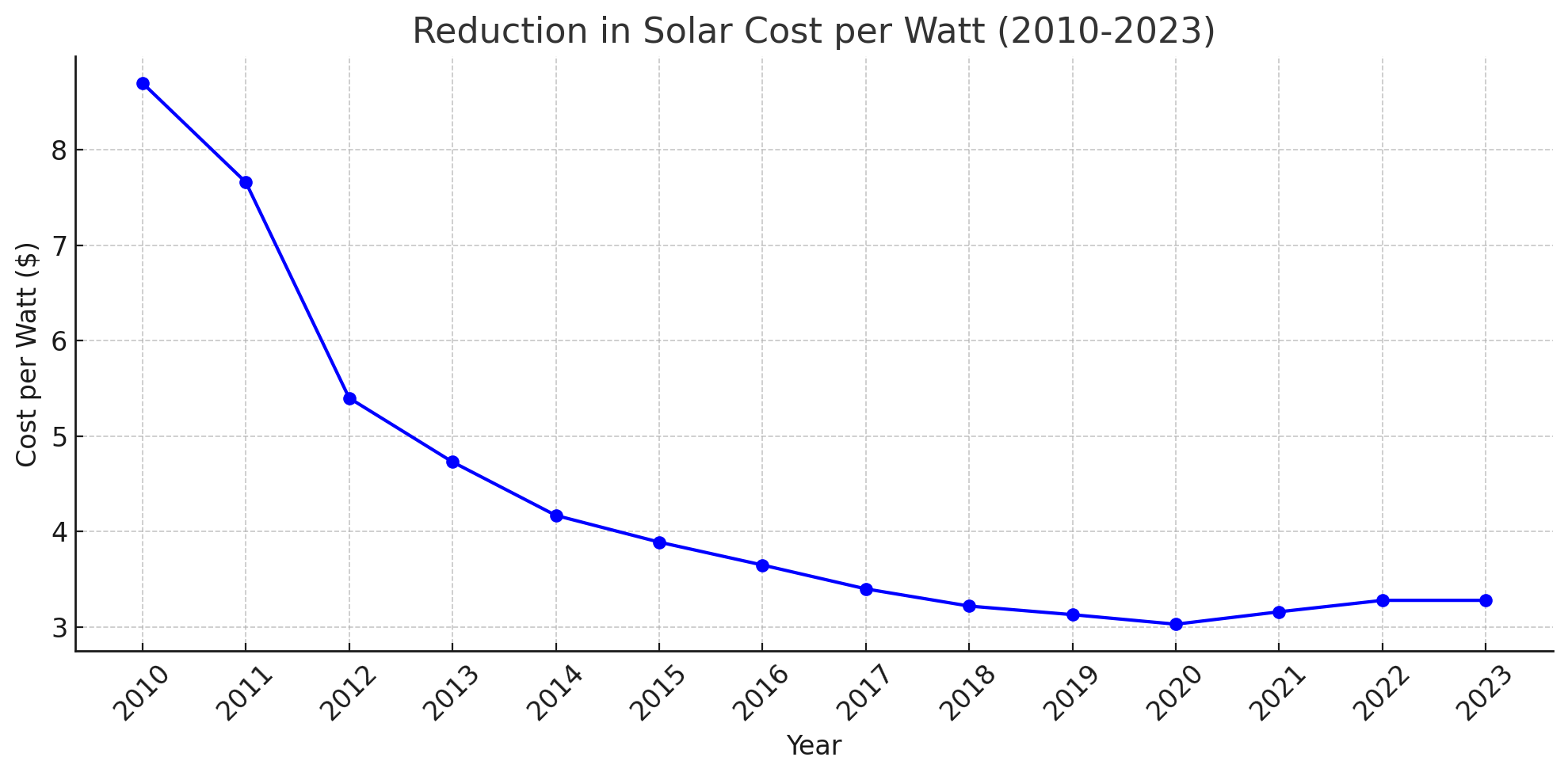
These financial incentives can significantly lower the initial and ongoing costs associated with solar power, making it a more viable option for a wider range of homeowners.
Breaking Even on Solar Panel Costs
The typical annual energy bill in 2022 was around $1,800. With the average solar system priced between $12,000 and $18,000 after applying the federal tax credit, your break-even point could range from 6.7 to 10 years. This timeframe can vary based on your specific electricity costs and financing arrangements, including any local or federal tax credits you utilize.
To estimate your own break-even period, deduct any incentives or rebates you receive from the total cost of your solar system, including both materials and installation.
Myths and Facts about Solar Incentives
| Topic | Myth | Fact |
| No Free Federal Programs for Solar Panels | Solar panels can be obtained for free through federal programs. | The federal government does not offer any programs that provide free solar panels to homeowners. Instead, there are federal tax credits and state-level subsidy programs that can help reduce the cost of solar installations. |
| Companies Not Required to Provide Free Solar Panels | Solar companies are required to provide free solar panels if requested by homeowners. | There is no requirement for solar companies to provide free solar panels to anyone. Companies may offer various financing options, but free panels are not mandated by the government. |
| Be Cautious with Personal Information | Submitting personal information is necessary to get a price quote or check eligibility for solar services. | Be cautious when asked to provide personal information. Legitimate solar installers will not require sensitive personal data for a simple quote or eligibility check. Always verify the legitimacy of the installer and their certification through reputable organizations like the North American Board of Certified Energy Practitioners. |
| Subsidies May Vary by Income | All households, regardless of income, can have the entire cost of a solar system covered through subsidies. | While some subsidy programs may cover the total cost of a solar system for income-qualified households, not all programs offer such extensive coverage. It’s important to verify the details of the subsidy program through official state websites or direct communication with state offices. |
| No Immediate Decision Required | You must decide immediately to take advantage of solar incentive programs. | It’s crucial to make informed decisions and not rush into contracts. Homeowners should utilize resources such as the DOE’s guidance, Homeowner’s Guide to Going Solar, and smart shopping tips released by the DOE to explore all options and understand the terms and conditions of any solar incentive program before making a final decision. |
| Tax Credit Eligibility and Benefits | President Biden’s Investing in America agenda offers a universal tax benefit applicable immediately to all solar panel installations without eligibility criteria. | The 30% federal tax credit under President Biden’s Investing in America agenda is specific to installations of solar photovoltaic systems between 2022 and 2032. Homeowners should ensure they meet the eligibility criteria to benefit from this incentive, which can significantly reduce the installation cost, potentially saving more than $7,500 on an average system. |
What Are the Best Ways to Finance Solar Panels?
Opting for a low-interest solar loan is generally the best financing method. This option allows you to own the equipment outright, making you eligible for all related incentives. Here’s a breakdown of the common financing options and their benefits:
- Cash Purchase: This involves paying the full upfront cost of the solar system, which provides immediate ownership and the maximum financial benefits from incentives.
- Solar Loans: These are available through various financial institutions and offer a balance between upfront costs and long-term benefits, allowing homeowners to spread the cost over time while still qualifying for tax credits and rebates.
- Solar Leases: In a lease, you do not own the solar panels. Instead, you pay a fixed monthly fee for the use of solar energy. This method offers no upfront costs, but also limits the financial benefits since the leasing company claims any available incentives.
- Power Purchase Agreements (PPAs): Similar to leases, PPAs allow you to pay for the power generated by the panels rather than the panels themselves. This can be cheaper than traditional energy costs but does not provide the benefits of ownership.
Each of these options has its pros and cons, and the best choice depends on individual financial situations and goals.
Which 11 States Offer Free Solar Panels?
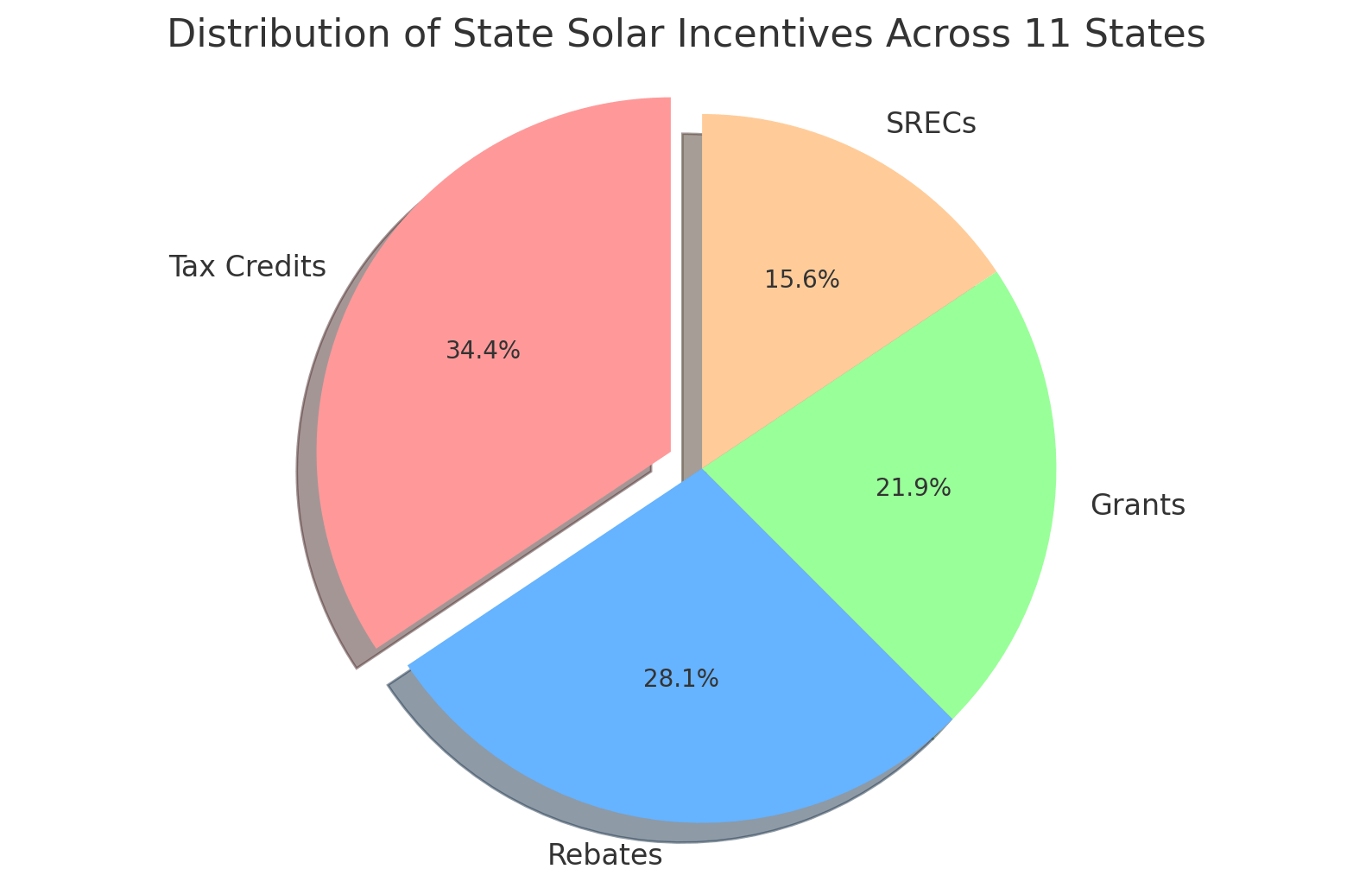
The idea of “free solar panels” in certain states can be a bit misleading. While some states in the U.S. offer programs that reduce the cost of solar panel installation significantly, there typically isn’t a situation where solar panels are completely free. However, the combination of federal tax credits, state-level incentives, and various rebate programs can make solar panels much more affordable, and in some cases, the costs can be reduced to nearly zero.
Here’s how you can reduce solar costs:
- Federal Solar Tax Credit: This credit allows you to deduct a percentage of the cost of installing a solar energy system from your federal taxes. Currently, the credit is set at 26% for systems installed through 2022, but it’s scheduled to decrease in the future.
- State and Local Incentives: Depending on where you live, your state or local government may offer additional incentives, like rebates, tax credits, or subsidies. These programs vary widely by location.
- Solar Renewable Energy Certificates (SRECs): In some states, when you generate solar power, you earn SRECs that you can sell to utility companies. This can provide a recurring source of income to help offset the cost of your solar panels.
- Power Purchase Agreements (PPAs) and Solar Leases: Some companies offer solar panel installations with no upfront cost. Instead, you agree to purchase the electricity generated by the panels at a set rate. This can be a more affordable option, but it means you don’t own the system outright.
So, while you might hear about “free solar panels,” what’s often meant is that there are enough incentives and financing options available that the upfront costs can be minimized, making solar energy much more accessible. It’s important to research the specific programs available in your state to understand how much of a financial benefit you might receive.
Details of Different State Programs
While the federal government does not offer free solar panels, many states have stepped up to fill this gap with various incentive programs. These programs are crucial for promoting renewable energy and making solar power accessible to a wider population. Here, we’ll dive into some of the most impactful state-specific programs:
California’s DAC-SASH Program
- Location: California
- Program Value: $3 per watt of solar capacity
- Frequency: Single-use
The Disadvantaged Communities – Single-Family Solar Homes (DAC-SASH) program in California stands out as a prime example of targeted government aid. This initiative is specifically designed for low-income families living in the top 25% of the most disadvantaged communities in California, as identified by the state’s environmental health hazard assessment.
This substantial incentive covers the total upfront cost of solar installations for qualifying households by providing $3 per watt. The program aims to make solar power equitable, ensuring that the benefits of renewable energy reach those who might otherwise be unable to afford the initial investment. To apply, residents must be customers of Pacific Gas & Electric, Southern California Edison, or San Diego Gas & Electric, and meet income criteria under the CARE/FERA program.
Maryland’s Solar Energy Equity Grant Program
The Solar Energy Equity (SEE) Grant Program in Maryland provides a powerful example of state initiatives designed to foster equitable access to solar technology. The program offers up to $25,000 to cover the entire cost of solar panel systems, from design to installation, for eligible homeowners.
Targeting low-to-moderate income families and residents of underserved communities, the SEE Grant Program emphasizes the removal of financial barriers to solar energy. This initiative is part of a broader state effort to boost renewable energy adoption, ensuring that economic and geographic disparities do not hinder access to environmental and financial benefits of solar power.
Eligibility is broadly defined to include households with income levels that typically would not qualify for such incentives, making it a crucial step towards energy democratization. Applications for this grant are managed through local governments and non-profit organizations, ensuring that the funds are distributed to those who need them most.
These state programs not only facilitate the adoption of solar energy among lower-income households but also contribute to the broader goal of reducing carbon emissions and promoting sustainability. By addressing both financial and practical barriers, California and Maryland are leading by example, showing how state-level initiatives can effectively complement federal efforts in environmental policy.
Conclusion
While obtaining completely free solar panels from the government is not a straightforward option, there are numerous programs and incentives available that can significantly reduce the cost barrier for eligible households, particularly in proactive states like California and Maryland. For those interested in solar energy, it’s advisable to explore local and state resources to understand the specific opportunities available in your area.
Investing in solar energy offers considerable benefits, both financially and environmentally. With careful planning and utilization of available incentives, homeowners can significantly offset the costs of solar panel installation, making sustainable energy solutions more accessible and rewarding.


